
Silenced | The Troubling Death of OpenAI Whistleblower Suchir Balaji
A Family's Desperate Fight for Truth in the Shadow of Big Tech

In the high-stakes world of artificial intelligence development, speaking truth to power can be dangerous. When former OpenAI researcher Suchir Balaji was found dead in his San Francisco apartment in November 2024, it wasn't just a personal tragedy; it became a disturbing symbol of the precarious position whistleblowers occupy in America's tech landscape.
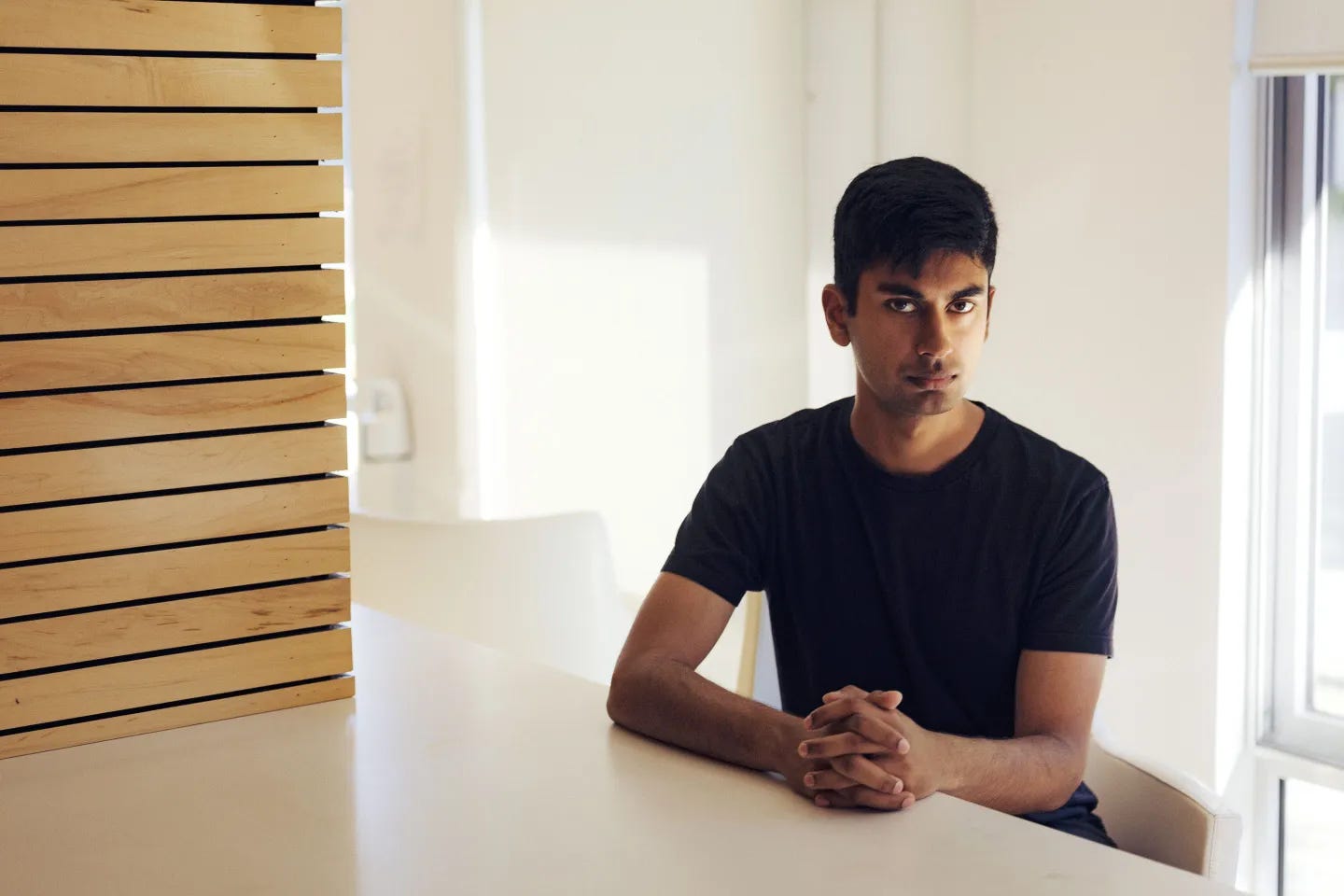
The Mysterious Death That Few Are Talking About
Suchir Balaji was found dead in his apartment in November 2024, with authorities quickly ruling it a suicide. But the circumstances surrounding his death have raised alarming questions that remain largely unaddressed by mainstream media.
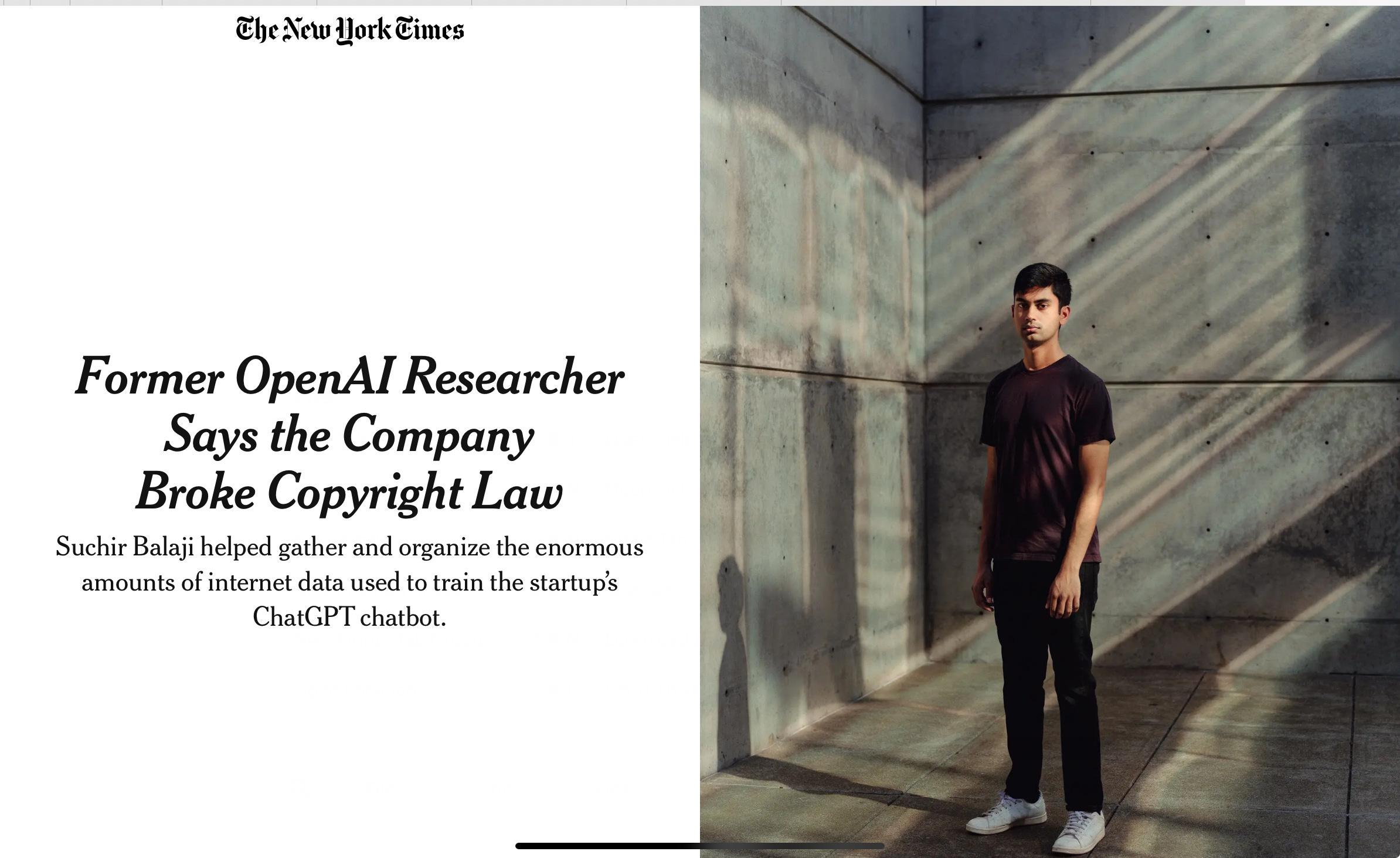
Balaji had recently emerged as a whistleblower against OpenAI, publicly challenging the company's use of copyrighted materials. He authored an essay mathematically analyzing outputs of large language models like ChatGPT, arguing they fail the four-factor test for determining fair use under U.S. copyright law.
Before his death, Balaji was identified by the New York Times's attorneys as someone possessing "relevant documents" in their copyright case against OpenAI. Crucially, he had stated his willingness to testify against the AI company.
The Official Narrative vs. Family Findings
The San Francisco Police Department (SFPD) and Office of the Chief Medical Examiner (OCME) concluded that Balaji died by suicide from a self-inflicted gunshot wound. According to their investigation, there were no other injuries on his body, no signs of forced entry, and he was alone at the time of death.
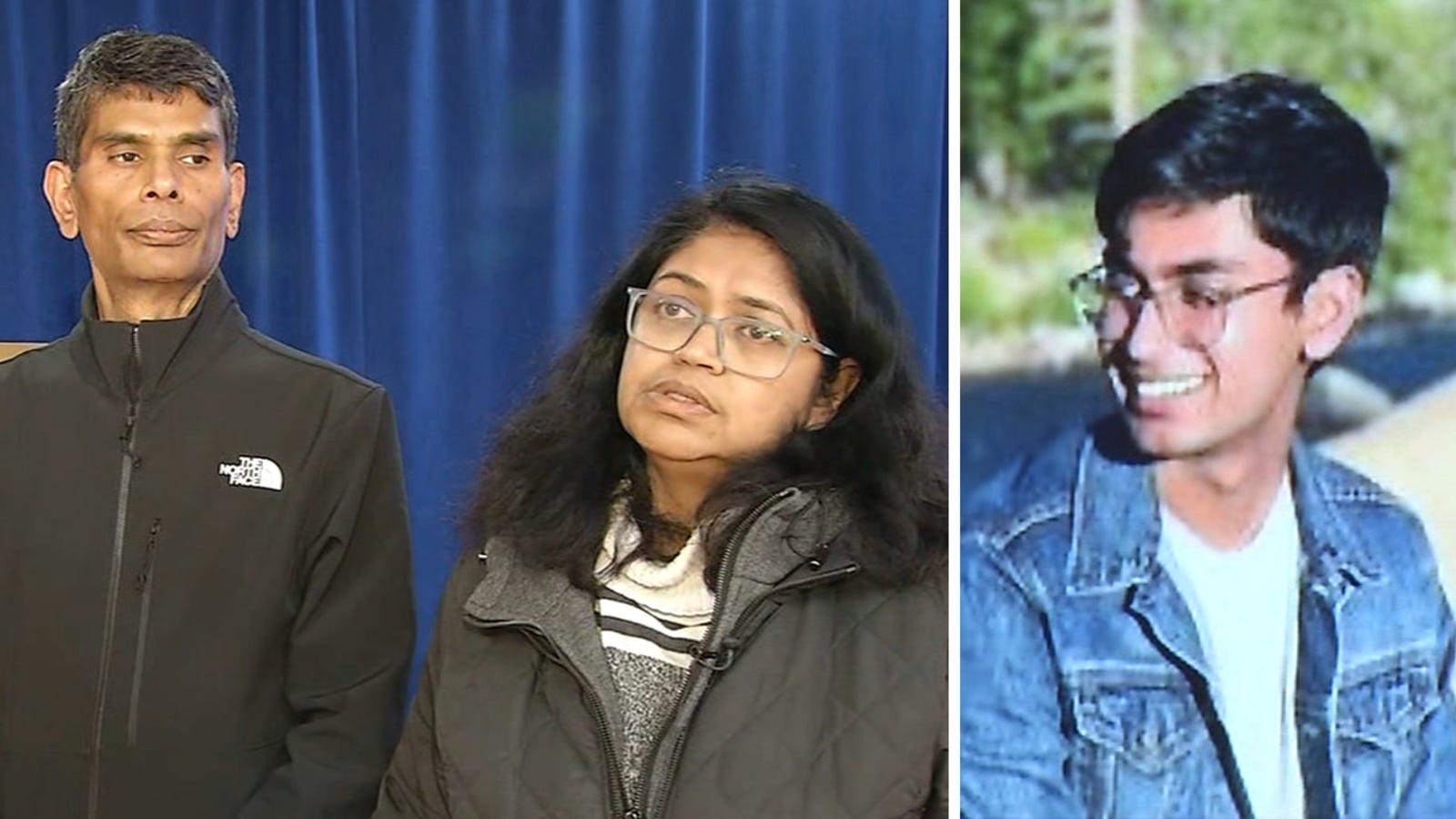
However, Balaji's parents tell a dramatically different story. Poornima Rao, his mother, has stated bluntly:
"We read the second autopsy, there are signs of struggle such as head injury, more details from the autopsy reveal it is murder". She further claims evidence of drug involvement: "One of the drugs made him lose muscle control. The gun did not touch or was not near his body."Parents Seeking Justice in a System Designed to Obstruct
Balaji's parents have become reluctant detectives, driven by the conviction that their son's death was not self-inflicted. Their pursuit of truth has revealed troubling patterns in how such cases are handled when they intersect with powerful corporate interests.
Balaji Ramamurthy and Poornima Rao have taken extraordinary measures, including:
Filing a lawsuit against the San Francisco Police Department demanding the release of investigation records
Commissioning independent medical examinations
Appealing for an FBI investigation into their son's death
Hiring private investigators to uncover what happened
In their lawsuit, the family alleges that authorities are "illegally shielding public records" related to their son's death. Even an independent medical examination noted that the shooting pattern was "unusual and atypical in suicides".
"We need to get an investigation from the FBI to see who did this. We can go until homicide is established. Many steps have yet to be completed."
Balaji's mother has insisted.
America's Failed Whistleblower Protections
What happened to Suchir Balaji highlights the dangerous inadequacy of whistleblower protections in the United States, particularly in the tech industry where so much power is concentrated in a handful of companies developing technologies that will shape our future.
The Whistleblower Protection Act of 1989 primarily protects federal employees, leaving private sector workers often vulnerable. Even for government workers, the Supreme Court has limited these protections to disclosures not directly related to their job.
The statistics paint a grim picture; the U.S. Merit Systems Protection Board denies 98% of whistleblower appeals, and a 2009 Government Accountability Office report found that only 21% of whistleblower cases had "a favourable outcome" for the whistleblower.
In the AI industry specifically, the need for stronger protections has become increasingly urgent. Anonymous whistleblowers from OpenAI filed a complaint with the SEC alleging the company used restrictive non-disclosure agreements that could penalize workers who raised concerns to federal authorities.
OpenAI's Broader Pattern of Copyright Confrontations
Balaji's whistleblowing focused on a critical issue that has only grown more contentious. i.e. OpenAI's use of copyrighted materials without permission.
The company faces multiple high-profile lawsuits:
The New York Times filed a lawsuit in December 2023 accusing OpenAI of copying millions of copyrighted articles without authorization
The Intercept successfully argued in court that OpenAI deliberately removed copyright management information from its content
Multiple Canadian media companies have sued OpenAI for allegedly circumventing technological protections to scrape their sites
In a particularly troubling incident, engineers at OpenAI allegedly erased potential evidence in one copyright lawsuit, forcing lawyers for the publishers to re-create a week's worth of work.
A System That Fails Those Who Speak Up
The handling of Balaji's death investigation shows troubling signs of institutional failure. Despite his parents' persistent questions and independent findings, authorities closed the case, stating they would only re-open it "if there is a basis for a chargeable offense".
This circular logic; we won't investigate further unless there's evidence, but we won't look for evidence because the case is closed, creates an impossible barrier for families seeking truth.The timing of Balaji's death, just as he was preparing to testify in a major copyright case against OpenAI, raises legitimate questions that deserve thorough, transparent investigation. Instead, his parents have been forced to become investigators themselves, fighting against institutional resistance at every step.
The Stakes Couldn't Be Higher
The development of artificial intelligence represents one of the most consequential technological shifts in human history. The companies building these systems must be held accountable, and those who risk their careers and potentially more to speak out deserve genuine protection.
Suchir Balaji was willing to stand up against what he saw as unethical practices in an industry racing toward an uncertain future. His death and the troubling questions surrounding it should concern us all, regardless of whether we ultimately conclude it was suicide or something more sinister.
Until we have satisfactory answers to these questions, the case of Suchir Balaji will remain a disturbing reminder of how much is at stake in the rapidly evolving world of artificial intelligence.
💬 In a landscape where AI companies wield unprecedented power and influence, we must ask; Are our institutions capable of holding them accountable? And what happens to those brave enough to challenge them from within? Share your thoughts in the comments below.
␚ Subscribe for more in-depth analyses on key issues shaping our future.
🧐 If you’re passionate about independent, in-depth journalism that cuts through noise and delivers clarity, consider supporting DeepCuts News by subscribing and sharing this article with others who value factual, unbiased reporting.
Together, we can champion a new era of News that prioritises discovery, innovation, and cultural understanding over clickbait and corporate agendas. 🤝🏼